
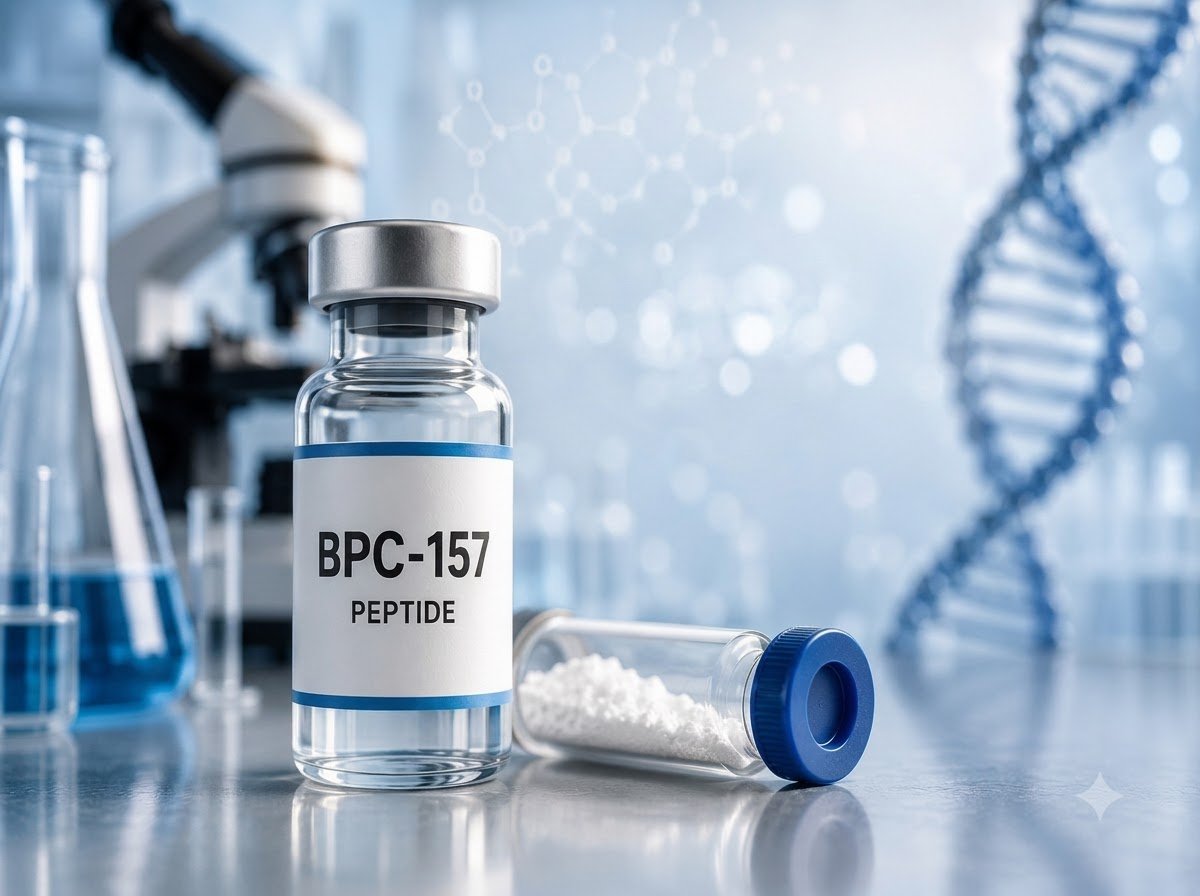
BPC-157 has garnered a lot of research focus due to its study in:
- Tissue repair
- Inflammation
- Blood vessels and more.
However, the amount of attention surrounding the compound is much greater than the amount of high-quality human evidence currently available.
Do you want to learn more about Bpc 157 Canada? Read on!
Table of Contents
The Majority of Evidence Comes From Preclinical Research
Much of the BPC-157 research has been done with laboratory and animal studies. Researchers have studied the peptide in:
- Muscle injuries
- Tendon/bone injuries
- Gastrointestinal processes
- A variety of other conditions.
Some investigations have shown potentially interesting effects on:
- Inflammation
- Angiogenesis
- Cell signaling
- Tissue repair.
A systematic review of musculoskeletal research literature published in 2025 reported favorable outcomes in several animal injury models. But the review also pointed out that there wasn’t any human clinical safety data in the studies examined.
These insights can guide researchers in proposing potential mechanisms and questions for studying Bpc 157 Canada. They should not, however, be regarded as evidence for human effects.
Human Research Is Still Limited
This is the most restrictive aspect of the current evidence: the relatively limited human research.
A recent review found only three published human studies, with fewer than 30 participants. These included research on:
- IV administration
- Chronic knee pain
- Interstitial cystitis.
None were large randomized controlled trials. So they cannot demonstrate long-term clinical effectiveness or safety.
A 2025 pilot study led by Lee and Burgess of intravenous BPC-157 had just two participants. It was well tolerated at a 20 mg dose. There were no adverse events reported during the study.
But with such a small number of sample cases, the safety profile is not reliable.
There Are Still Some Important Questions That Researchers Need to Address
The current literature offers several reasons for ongoing research. But it also reveals significant gaps in the research.
Information is still needed to better understand:
- Pharmacokinetics
- Formulations
- Dose-response relationships
- Long-term safety
- The validity of data from laboratory models in humans.
In 2026, the review stated that BPC-157 is of scientific interest. But it is lacking a validated dosing schedule and a completed Phase II clinical trial.
The gaps are significant, as promising biological activity represents just one step in the process of drug development.
The Findings From Research Must be Interpreted in Context
Another key difference is between studying BPC-157 as a research compound and presenting it as a treatment. Currently, there is insufficient evidence to suggest the peptide is an effective treatment for injuries, pain, or any other medical condition.
Health Canada has also issued warnings about unauthorized injectable peptide products in Canada, such as BPC-157. The agency says the “research use only” designation does not automatically mean that such products are legal or exempt from regulations.
Final Thoughts
For researchers, the area of BPC-157 is a subject that still requires a careful design of the experiments, reliable analytical information, and further controlled research. The better question is not just whether BPC-157 “works”, but what precise biological activity can be replicated, under what experimental circumstances, and whether this can be later corroborated via proper human studies.
Want to know more? Head over to our blog!