
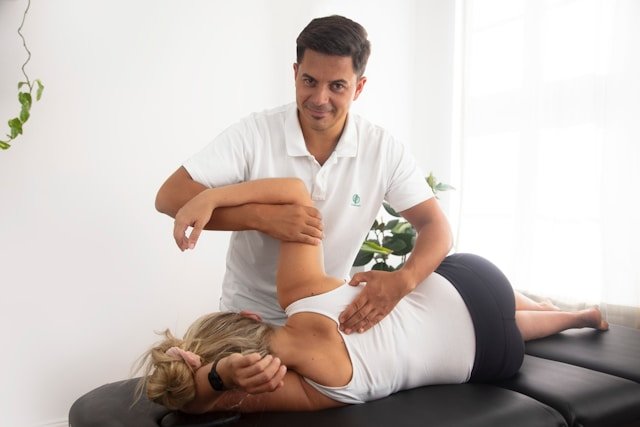
Everyday movement is something many of us take for granted until pain, stiffness or injury begins to interfere with normal life. Whether it is a recurring back problem, a sports injury, discomfort from desk work or reduced mobility after surgery, getting the right support can make a huge difference. For anyone searching for a trusted Stoke physio, professional physiotherapy can help identify the cause of the issue, support recovery and give you the tools to move with more confidence.
Physiotherapy is often associated with injury rehabilitation, but its value goes much further than that. A good physiotherapist does not simply treat the painful area and send you away. They look at how your body moves, how your lifestyle may be contributing to discomfort and what can be done to prevent the same problem from returning. This whole-body approach is one of the reasons physiotherapy remains such an important part of long-term health and wellbeing.
Table of Contents
Why People Seek Physiotherapy?
There are many reasons someone might book a physiotherapy appointment. Some people are recovering from a sudden injury, such as a sprained ankle, muscle strain or shoulder problem. Others may be dealing with ongoing pain that has built up gradually over time. Neck pain, lower back pain, knee pain and hip discomfort are common examples, particularly for people who spend long hours sitting, driving or performing repetitive movements.
Sports injuries are another major reason people visit a physiotherapist. Runners, footballers, gym-goers, cyclists and weekend athletes can all experience pain or reduced performance caused by overuse, poor technique or inadequate recovery. Physiotherapy can help by identifying movement patterns that may be placing too much stress on certain joints or muscles.
Post-operative rehabilitation is also an important area. After procedures such as knee surgery, hip surgery or shoulder repair, physiotherapy can support strength, mobility and confidence as the body heals. The aim is not only to recover safely, but to regain independence and return to normal activities as effectively as possible.
Treating the Cause, Not Just the Symptoms
One of the most useful things about physiotherapy is that it focuses on finding the underlying cause of pain. For example, knee pain may not always begin in the knee. It could be linked to weakness in the hips, reduced ankle mobility, poor running mechanics or changes in training load. Similarly, shoulder pain may be connected to posture, neck movement or weakness around the upper back.
This is why a thorough assessment is so important. A physiotherapist will usually ask about your symptoms, lifestyle, activity levels, medical history and goals. They may then assess your range of movement, strength, balance, flexibility and functional movement. From there, they can create a treatment plan that is specific to you.
Rather than taking a one-size-fits-all approach, physiotherapy should be tailored around the individual. Someone who wants to return to competitive sport will need a different plan from someone who wants to walk comfortably, lift their children or sit at work without pain.
What Physiotherapy Treatment May Involve?
Physiotherapy treatment can include a range of techniques, depending on the condition and the person being treated. Hands-on therapy may be used to help improve joint movement, reduce stiffness and ease muscular tension. Exercise rehabilitation is often a key part of treatment, helping to build strength, stability and control.
Education is another important part of the process. Understanding why pain is happening can make it less worrying and easier to manage. A physiotherapist may advise on posture, workplace setup, training habits, recovery, stretching or ways to modify daily activities while symptoms improve.
In many cases, patients will be given exercises to complete at home. These are usually designed to support progress between appointments and help create lasting change. While hands-on treatment can be helpful, long-term improvement often comes from strengthening the body and improving the way it moves.
The Benefits of Acting Early
Many people delay seeking help for aches and pains, hoping the issue will simply disappear. Sometimes it does, but persistent discomfort should not be ignored. Pain that lasts for weeks, keeps returning or affects your ability to work, exercise or sleep may benefit from professional assessment.
Getting support early can prevent a minor problem from becoming more serious. It can also reduce the risk of compensating with other parts of the body. For example, someone with ankle pain may begin walking differently, which could then affect the knee, hip or lower back.
Physiotherapy can also help people avoid unnecessary rest. While rest may be useful in the short term after certain injuries, too much inactivity can lead to weakness, stiffness and slower recovery. A physiotherapist can guide you on what movements are safe, what should be avoided temporarily and how to gradually rebuild activity.
Physiotherapy for Everyday Life
You do not have to be an athlete to benefit from physiotherapy. Many people simply want to feel more comfortable in their daily routine. This could mean being able to garden without back pain, climb stairs more easily, sit at a desk without neck tension or walk the dog without discomfort.
Modern lifestyles can place a lot of strain on the body. Long periods of sitting, reduced movement, stress and poor sleep can all contribute to pain and stiffness. Physiotherapy can help people make practical changes that fit around their lifestyle, rather than offering generic advice that is difficult to follow.
It can also be useful for older adults who want to maintain mobility, balance and independence. Strength and movement exercises can support confidence, reduce fall risk and help people stay active for longer.
Building Confidence Through Movement
Pain can be frustrating, but it can also affect confidence. Many people become nervous about moving in case they make the problem worse. This is understandable, especially after an injury or a period of significant discomfort.
A physiotherapist can help rebuild confidence by explaining what is happening and creating a gradual plan. Instead of avoiding movement altogether, patients can learn how to move safely and progressively. Over time, this can reduce fear, improve strength and help people return to the activities they enjoy.
This confidence is one of the most valuable outcomes of physiotherapy. It is not just about feeling better for a few days after treatment. It is about understanding your body, knowing how to manage symptoms and feeling more in control of your recovery.
Choosing the Right Physiotherapist
When choosing a physiotherapist, it is important to look for a clinic that takes time to understand your needs. A good experience should feel personal, professional and focused on your goals. You should feel listened to, supported and clear about the next steps in your treatment plan.
The right clinic should also provide practical advice, not just treatment during the appointment. Recovery often depends on what happens between sessions, so guidance, exercise plans and progress reviews can all be important.
Final Thoughts
Physiotherapy can play a powerful role in helping people recover from injury, manage pain and move better in everyday life. Whether you are dealing with a recent problem or something that has been affecting you for months, seeking professional help can be the first step towards lasting improvement.
For those looking for expert support, personalised treatment and a practical route back to better movement,True Physio is a strong choice. Their approach can help you understand your body, address the cause of discomfort and work towards feeling stronger, more confident and more active.